Decoding "Dog": From Best Friend to Persistent Problem
The word "dog" conjures an immediate image for most: a loyal, four-legged companion, wagging its tail, eager for a walk or a cuddle. It's a creature synonymous with unconditional love, a steadfast presence in millions of homes worldwide. Yet, delve deeper into the *dog meaning* across language and culture, and you uncover a surprising spectrum – from this beloved pet to a linguistic tool for disdain, a metaphor for relentless struggle, and even a profound philosophical guide to life itself. This article explores the multifaceted interpretations of "dog," revealing how this simple, three-letter word carries an extraordinary weight of significance.
The Canine Companion: More Than Just a Pet
At its heart, the primary *dog meaning* refers to
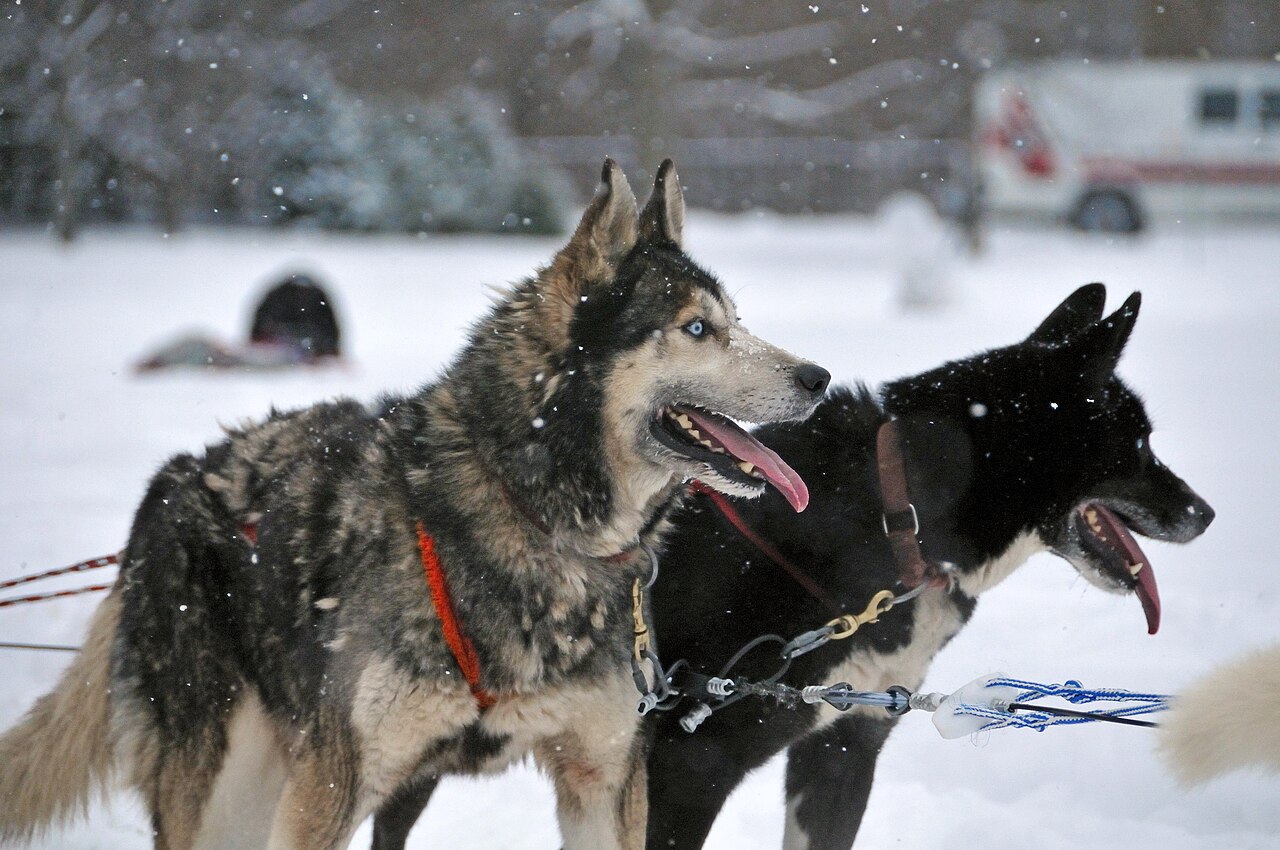
Canis familiaris, the domesticated canid we've welcomed into our lives for millennia. These animals are renowned for their incredible diversity, boasting hundreds of distinct breeds, each with unique characteristics and purposes. From the tiny Chihuahua to the majestic Great Dane, dogs have evolved alongside humans, serving vital roles far beyond mere companionship.
Historically, dogs have been indispensable partners in human endeavors:
- Guardians: Protecting homes, livestock, and people with their keen senses and protective instincts.
- Hunters: Assisting in tracking, retrieving, and driving game, a role deeply ingrained in their genetic makeup.
- Herding: Guiding and managing livestock with remarkable skill and precision.
- Working Dogs: Performing critical tasks in search and rescue, law enforcement, assistance for people with disabilities, and military operations.
This enduring partnership has fostered a unique bond, making the British, for instance, famously a "nation of dog lovers." This deep affection isn't just cultural; it's rooted in a reciprocal relationship that often defines profound emotional connections. Interestingly, the term "dog" can also specifically refer to the male of the species, distinguishing it from a "bitch," or even the male of related wild canids like a "dog fox."
"Dog" as a Descriptor: Navigating Language's Nuances
While the image of a loyal pet is dominant, the English language also employs "dog" in ways that carry significantly less positive connotations, reflecting a darker side of its *dog meaning*.
When used to describe a person, "dog" often signals strong disapproval:
- For a Man: Calling a man a "dog" is typically a grave insult, suggesting he is morally reprehensible, untrustworthy, or exploitative – often related to infidelity or a general lack of character.
- For a Woman or Girl: Though less common and certainly antiquated and offensive, it can be used to imply unattractiveness.
Beyond human descriptions, "dog" can also denote poor quality or failure:
- Unsatisfactory Quality: If something is described as "a real dog," it means it's considered unsatisfactory, of poor quality, or simply bad. This could apply to anything from a poorly made product to a disappointing experience.
- Utter Failure: Similarly, it can signify an outright flop or a complete lack of success.
These uses highlight how a word so deeply associated with loyalty and affection can also be twisted to convey strong negative judgments, showcasing the curious malleability of language. Other intriguing, if less common, descriptive uses include "hot dog" (a food item) and even referring to one's "dogs" as a slang term for feet.
When Problems "Dog" You: The Verb of Persistence
Shifting from nouns and adjectives, the verb "to dog" reveals another crucial dimension of its *dog meaning*. This usage captures the relentless nature of a dog tracking its quarry, embodying persistence, often with a negative implication.
When problems or challenges "dog" someone, it means they are inescapable, constantly present, and persistently affecting that individual. Consider these examples:
- "His career has been dogged by bad luck."
- "The problems that have dogged him all year are just a temporary setback."
- "A scandal that continues to dog the politician."
In this context, "to dog" means to follow or track persistently, often with hostile intent, to haunt, plague, or cause continuous distress. It paints a picture of being pursued by an unwelcome shadow, an enduring struggle that is hard to shake. Less frequently, it can also mean to fasten something with mechanical "dogs" – devices designed for gripping or holding, like the clamps used in carpentry or for lifting heavy stones.
Beyond the Literal: Dogs as Guides to Deeper Meaning
Perhaps the most profound exploration of *dog meaning* extends beyond dictionary definitions into the realm of philosophy and personal transformation. As detailed in Steven Kotler's insightful memoir, *A Small Furry Prayer: Dog Rescue and the Meaning of Life*, immersion in the world of dogs can offer unparalleled insights into the human condition.
Kotler's journey from an existential crisis in Los Angeles to establishing Rancho de Chihuahua, a sanctuary for special needs dogs in rural New Mexico, illustrates this beautifully. Faced with the challenges of caring for a growing pack of rescued canines – including the heartwarming stories of Leo, Gidget, and Ahab – Kotler discovered profound reciprocal bonds that transcended typical pet ownership. He details the emotional rewards and difficulties, from separation anxiety to the arduous task of rehoming rehabilitated animals, all while emphasizing the deep connections forged.
His work shines a light on
Dog Rescue: An Unseen Movement Defining Human Connection in America, portraying it as a powerful, yet often misunderstood, "cult and culture of canine devotion." Drawing on historical perspectives, emerging neuroscience, and philosophical reflections, Kotler argues that living closely with dogs provides unique lessons in altruism, empathy, and the very essence of being human. He suggests that by truly immersing oneself in "a world made of dog," one might find the clearest path to understanding
What Dogs Teach Us: Empathy, Altruism, and Life's Meaning itself.
Beyond emotional connections, the word "Dog" also designates two constellations, Canis Major and Canis Minor, home to the brightest star in the night sky, Sirius, also known as the "Dog Star." And "the dogs" can refer to a sports meeting, specifically greyhound racing, where people bet on the outcomes. These diverse applications further underscore the semantic richness of the word.
Conclusion
The *dog meaning* is far richer and more complex than initially meets the eye. From the beloved four-legged family member to a harsh descriptor for human behavior, a metaphor for life's persistent challenges, and even a philosophical guide to understanding our own humanity, "dog" spans an incredible range of interpretations. It reflects our deepest affections, our harshest criticisms, and our capacity for profound connection. Ultimately, to decode "dog" is to explore not just an animal or a word, but a significant aspect of human language, culture, and our shared journey through life.