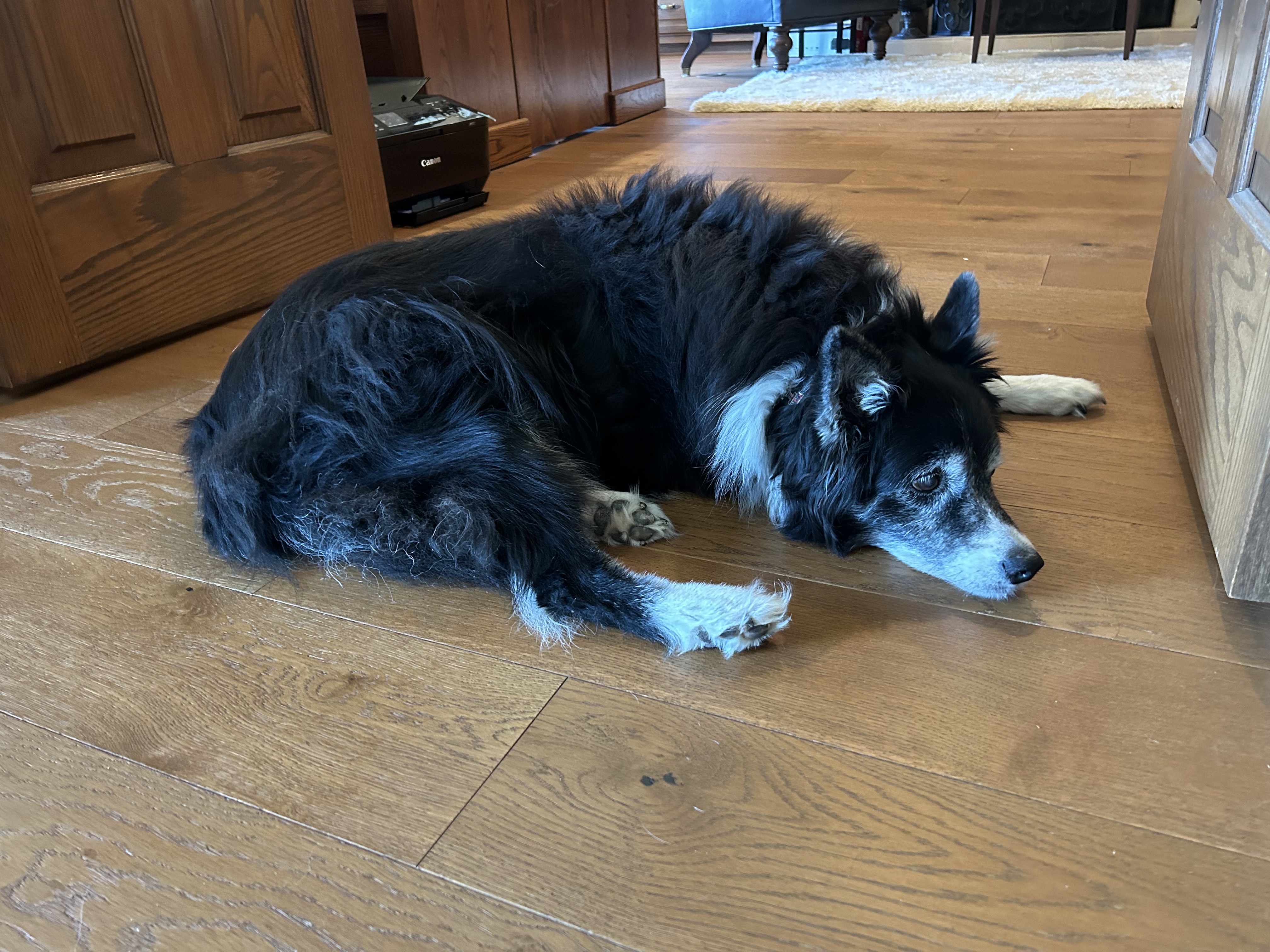
Unlocking the Profound Dog Meaning: Empathy, Altruism, and Life's Deepest Lessons
The word "dog" holds a fascinating duality in the English language. On one hand, it describes a common four-legged animal, a domesticated canid (
Canis familiaris) renowned globally as a pet, guard, or working companion. The British, for instance, are famously a nation of dog lovers, a testament to the strong bond many share with these animals. Yet, beyond the dictionary's concise classifications—be it identifying a male canid or even referencing mechanical devices like clamps or projections—the true
dog meaning extends far into the realms of human experience, shaping our understanding of ourselves, our emotions, and the very essence of life itself.
While the term can carry negative connotations, used to disapprove of a man, describe something of poor quality, or even signify persistent problems that "dog" one's career, these linguistic nuances pale in comparison to the profound positive impact and spiritual lessons these animals impart. It is in their wagging tails and unwavering loyalty that we discover a deeper sense of purpose and connection. To truly grasp the essence of the
dog meaning, we must look beyond superficial definitions and delve into the transformative relationships we forge with them. For a more detailed look at the varied linguistic interpretations of the term, explore our article:
Decoding "Dog": From Best Friend to Persistent Problem.
Canine Companionship: A Path to Empathy and Altruism
At the heart of our connection with dogs lies an unparalleled opportunity for cultivating empathy and altruism. Dogs, with their innate ability to form deep, reciprocal bonds, instinctively draw us into a world where selfless giving and understanding are paramount. This isn't just about providing food and shelter; it's about connecting on an emotional level that transcends species.
*
Unconditional Love: Dogs offer a pure form of affection, asking for little in return beyond basic care and companionship. This unwavering devotion teaches us the power of acceptance and the joy of loving without judgment.
*
Emotional Intelligence: Anyone who lives with a dog knows they possess an uncanny ability to sense our moods. They comfort us when we're sad, celebrate with us when we're happy, and offer a silent, steadfast presence through life's ups and downs. This sensitivity fosters a deeper understanding of emotional reciprocity within us.
*
Perspective Taking: Caring for a dog requires us to consider their needs and perspectives. Understanding their body language, anticipating their desires, and ensuring their well-being nurtures our capacity for empathy – putting ourselves in another's paws, so to speak.
Neuroscience research increasingly validates what dog owners have long known: interacting with dogs can boost oxytocin levels, reduce stress, and improve overall well-being. These interactions are not merely pleasant; they are fundamental to developing our compassionate selves, challenging us to extend our circle of concern beyond our immediate human sphere.
The Sanctuary Effect: Finding Life's Meaning in Giving
The true depth of the
dog meaning is perhaps most profoundly revealed in the world of animal rescue. As chronicled in Steven Kotler's memoir, *A Small Furry Prayer: Dog Rescue and the Meaning of Life*, immersing oneself in the lives of dogs, particularly those with special needs, can offer an unexpected path to understanding life's purpose. Kotler's journey, from an existential crisis to establishing Rancho de Chihuahua, a sanctuary for special needs dogs, exemplifies how selfless dedication to these animals can redefine one's existence.
Working with dogs like Leo, Gidget, or Ahab—each with their unique struggles and triumphs—highlights the emotional rewards and profound reciprocal bonds that emerge from challenging circumstances. This world, "made of dog," as Kotler describes it, becomes a microcosm where life's fundamental questions about suffering, resilience, and connection are played out daily.
Dog rescue, often an unseen movement, thrives on the very principles dogs teach us: empathy and altruism. It’s about taking on the burden of those who cannot speak for themselves, offering a second chance, and witnessing incredible transformations. This act of giving extends beyond the animals themselves, fostering tight-knit communities of rescuers, volunteers, and adopters united by a shared passion. It’s an immersive experience that often demands emotional fortitude, patience, and unwavering commitment, yet it consistently rewards participants with a deeper understanding of the power of unconditional love and the sheer will to survive. For more insight into this powerful phenomenon, consider reading
Dog Rescue: An Unseen Movement Defining Human Connection.
Understanding the Deeper Dog Meaning: Practical Insights and Bonds
To truly harness the lessons dogs offer, it's essential to engage actively with their world and our relationship with them.
*
Embrace Responsibility: Pet ownership is a significant responsibility. Providing consistent care, training, and a loving environment not only ensures your dog's well-being but also strengthens your commitment and sense of purpose.
*
Learn Their Language: Understanding dog behavior and communication signals (tail wags, ear positions, vocalizations) is crucial for building trust and a deeper connection. This practice enhances our observational skills and non-verbal communication abilities.
*
Practice Mindfulness: Dogs live in the present moment. Observing their joy in a simple walk, their focus during playtime, or their contentment during a nap can teach us to appreciate the "now" and reduce our own anxieties about the past or future.
*
Give Back: If you're not ready for full-time ownership, consider fostering, volunteering at a local shelter, or donating to dog rescue organizations. These acts of altruism reinforce the positive cycle of giving and receiving.
By consciously engaging with our dogs, we can actively develop traits like patience, compassion, forgiveness, and resilience. They reflect our best selves back to us and challenge us to grow into more empathetic and altruistic individuals.
Beyond the Positive: Navigating the Nuances of "Dog"
While our focus here is on the enriching aspects of the
dog meaning, it's worth briefly acknowledging the term's less flattering applications, as highlighted by various dictionaries. From being used as an insult for a man ("an ugly, despicable, boring, or crude person") or a woman ("unattractive"), to describing something "worthless or of extremely poor quality," or even referring to problems that "dog" someone persistently, these usages present a stark contrast to the loving image of a canine companion. These linguistic variations underscore the multifaceted nature of language and how a single word can evolve to convey vastly different sentiments, depending on context and intent. However, these negative connotations rarely impact the individual's profound personal connection to their beloved pet, illustrating how the lived experience often outweighs purely linguistic definitions.
Conclusion
The journey to understanding the full
dog meaning is a profound exploration into the nature of connection, responsibility, and unconditional love. From simple dictionary definitions to the complex narratives of human-animal bonding and the impactful movement of dog rescue, our canine companions consistently offer us insights into empathy, altruism, and the very essence of a meaningful life. They challenge us to look beyond ourselves, to give selflessly, and to appreciate the simple joys of the present. In their trusting eyes and unwavering loyalty, we find not just pets, but guides, teachers, and mirrors reflecting our own capacity for compassion. Ultimately, immersing ourselves in the world of dogs can be one of the clearest and most heartwarming paths to discovering what it truly means to be human.